
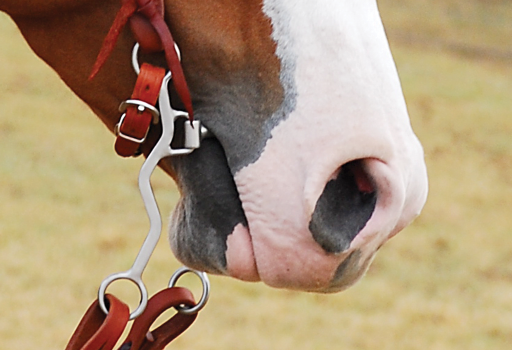
If you’ve spent any time around horses, you’ve probably heard strong opinions about bits—what’s “mild,” what’s “harsh,” and what a horse should or shouldn’t be ridden in. Correction bits, gag bits, ports, shanks… the terminology alone can feel overwhelming.
One of the biggest reasons riders feel confused is because bit conversations often skip the most important question:
How does this bit actually communicate with the horse?
Once you understand that, everything else starts to make sense.
If you haven’t already, start with my full guide on how to choose the right horse bit—it’ll help you match the bit to your horse’s mouth, training level, and job.
The Two Ways a Bit Communicates With a Horse
At the highest level, there are two primary ways bits work:
-
Direct rein pressure
-
Leverage
Every bit—no matter how complex it looks—falls into one of these categories.
Neither approach is inherently harsh or kind. The effectiveness of a bit depends on the horse’s understanding, the rider’s hands, and how the bit is used.
Snaffle Bits: Direct Rein Pressure
A snaffle bit works through direct pressure. When the rider picks up the reins, the pressure applied is felt directly in the horse’s mouth—there’s no mechanical amplification.
This makes snaffles:
-
Clear
-
Straightforward
-
Honest in their communication
That’s why they’re commonly used for:
-
Green horses
-
Horses learning contact
-
Riders developing feel and timing
That said, not all snaffles feel the same to a horse. Mouthpiece design, thickness, material, and fit matter far more than whether the rings are loose, D-shaped, or eggbutt.
A snaffle isn’t automatically “mild,” and a horse can absolutely become dull or resistant in one if the communication isn’t clear.
For many horses, starting simple is best—especially in well-fitted snaffle bits with a mouthpiece that suits their anatomy.
Curb Bits: Leverage and Signal Amplification
Curb bits work through leverage. Instead of pressure going straight from the rein to the mouth, the rein engages a system that can involve:
-
The mouth
-
The poll
-
The chin groove
This allows the rider to communicate through signals, not just pressure.
Leverage doesn’t mean severe. It means amplified communication, which is why curb bits are typically introduced once a horse already understands basic cues.
This is also where many misconceptions live—because curb bits include several subtypes that are often talked about as separate categories.
Low-Port and Mild Curb Bits
These are often a horse’s first introduction to leverage.
They’re commonly used when:
-
A horse understands neck reining
-
Light cues are rewarded
-
The rider wants refinement, not more pressure
Many mild curb bits are misunderstood simply because they look more intimidating than a snaffle. When you’re introducing leverage thoughtfully, a mild curb bit can add signal without turning up pressure.
Correction Bits (A Type of Curb Bit)
A correction bit is not a separate category of bit.
It is a type of curb bit designed to clarify both lateral and vertical cues.
Correction bits are intended for:
-
Educated horses
-
Riders with timing and release
-
Situations where clarity—not force—is needed
They are often misunderstood as “fix-it” bits, but no bit can correct a training hole. Properly used, correction bits can clarify cues for educated horses—but they’re not a shortcut for missing foundation.
The difference isn’t the bit—it’s the education behind it.
Gag-Style Leverage Bits (Why This Gets Confusing)
Gag bits create some of the most confusion in bit conversations, largely because not all gags work the same way.
Some gag bits:
-
Apply lift before pressure
-
Encourage elevation through the shoulders
-
Are used momentarily, not with constant contact
Others combine gag action with leverage, which changes how and when pressure is applied. Gag bits can offer momentary lift and responsiveness when used with educated hands and clear release.
Because of this variation, blanket statements about gag bits being “harsh” or “mild” are rarely accurate. What matters is:
-
The design of the bit
-
The way it’s used
-
The horse’s understanding of the cues
High-Port, Spade, and Advanced Curb Bits
These bits are designed for finished horses with a high level of education. They rely on signal and response rather than sustained pressure.
When used correctly, they allow for extremely refined communication. When used without the proper foundation, they can be unfair to the horse.
These bits aren’t about control—they’re about conversation.
Why Bit Severity Isn’t About Categories
One of the biggest misconceptions in the horse world is that severity is determined by the type of bit.
In reality, severity is influenced far more by:
-
The rider’s hands
-
Timing and release
-
Fit and balance
-
The horse’s understanding
A mild bit used poorly can be far harsher than a more advanced bit used with feel.
How to Decide Which Direction to Go
Instead of asking, “What bit should I use?”
A better question is:
“What kind of communication does my horse understand right now?”
Consider:
-
Does your horse respond to light, direct pressure?
-
Do they understand neck reining and signal cues?
-
Are you riding with consistent hands?
-
What is your horse’s job?
Those answers matter more than the name of the bit.
If you’re still unsure, trying a bit in real life (not guessing from photos) is often the most horse-friendly way forward—here’s how our trial program works.
Final Thoughts: Understand the Conversation Before Changing the Tool
Bits don’t create training—they reflect it.
When you understand how different bit types communicate, you can make decisions based on clarity instead of fear or pressure. The goal is never escalation. The goal is understanding.
If you’re wondering why I’m so focused on clarity over escalation, this approach comes from a lifetime around horses—more on why BitPerfect exists here.
When the communication is right, everything else gets quieter.