
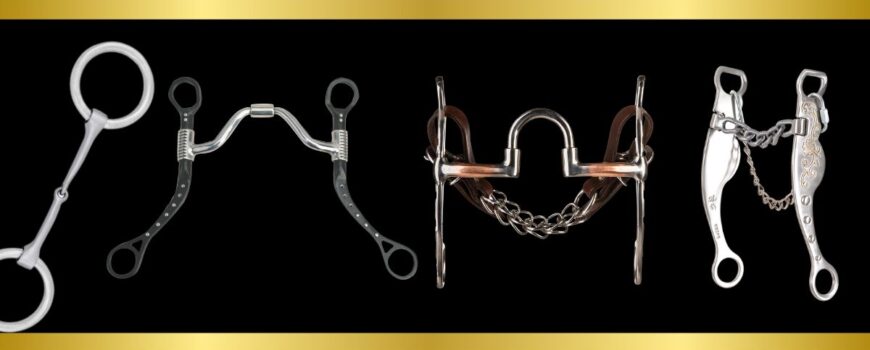
When riders talk about bits, the focus is often on rings, shanks, or how “strong” a bit looks. But for the horse, the mouthpiece is where communication actually happens.
Two bits with the same cheekpieces can feel completely different depending on what sits inside the horse’s mouth. Understanding mouthpiece design is one of the most important — and most overlooked — parts of choosing the right bit.
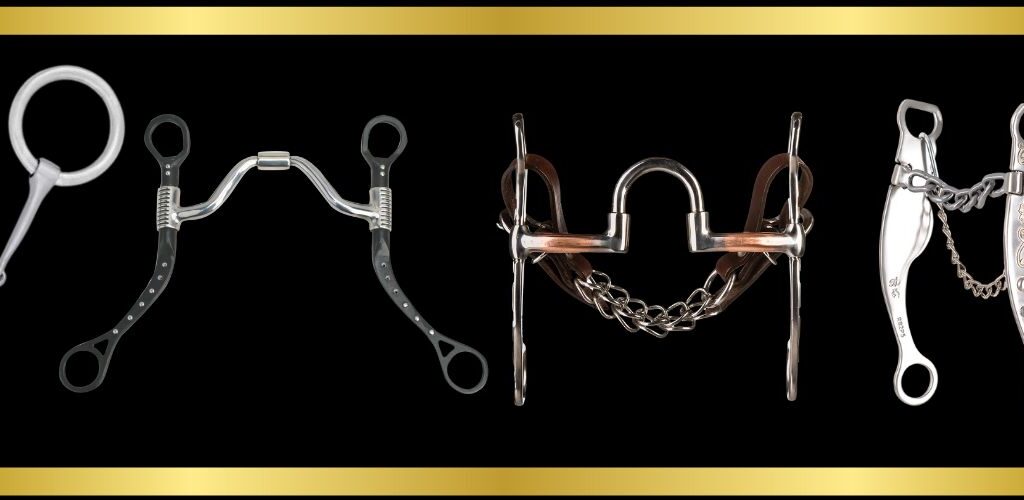
Why the Mouthpiece Matters More Than the Cheekpiece
The mouthpiece determines:
How pressure is distributed
Where that pressure is felt
How clearly a horse can understand the signal
A bit doesn’t become kind or harsh because of its name. It becomes effective or confusing based on how it interacts with the horse’s mouth anatomy and how it’s used.
Jointed Mouthpieces
Jointed mouthpieces are among the most common designs, especially in snaffles. They work by creating movement and articulation, which can help some horses understand lateral cues more clearly.
Single-Jointed Mouthpieces
Single-jointed mouthpieces create a “nutcracker” action that applies pressure to the tongue and bars. For some horses this is clear and effective; for others, especially those with low palates or sensitive tongues, it can feel sharp or busy.
Double-Jointed Mouthpieces
Double-jointed mouthpieces reduce the nutcracker effect and distribute pressure more evenly. Many horses find them quieter and more stable, though they are not automatically better for every horse.
Ported Mouthpieces
Ported mouthpieces create space in the center of the bit, changing how pressure is applied.
A common misconception is that a port automatically makes a bit harsh, but that isn’t true.
Low ports can be very mild and comfortable, especially for horses that resent constant tongue pressure. Higher ports are typically reserved for more advanced horses who understand refined cues and light contact.
Mullen Mouthpieces (Simple, Stable, and Often Underrated)
Mullen mouthpieces are solid, gently curved mouthpieces with no joints or breaks. They are often overlooked because they appear simple — but simplicity is often their greatest strength.
Mullen mouthpieces:
Provide consistent, even pressure
Eliminate movement that can confuse sensitive horses
Encourage relaxation and steadiness
They are commonly used for:
Green horses learning contact
Horses that dislike tongue movement from jointed bits
Training situations where clarity matters more than articulation. Mullen mouthpieces are a useful tool in squaring up a horses shoulders if they tend to be a little wormy or move like a wet noodle.
A well-fitted mullen mouthpiece can be one of the quietest, most confidence-building options available.
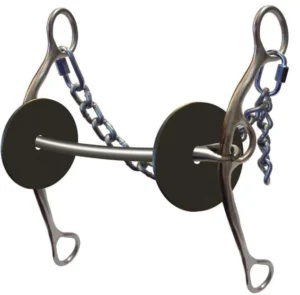
Chain Mouthpieces (Use With Intention)
Chain mouthpieces introduce a different kind of feel inside the horse’s mouth by adding texture and subtle movement.
Instead of applying uniform pressure, a chain mouthpiece can:
Break up steady contact
Discourage leaning or bracing
Increase awareness without increasing leverage
Chain mouthpieces are commonly misunderstood, and interpreted as harsh, but this is not always the case. Used intentionally, a chain mouthpiece can offer clarity and relief from a typical rigid mouthpiece for a horse with a soft mouth and a rider with soft responsive hands.
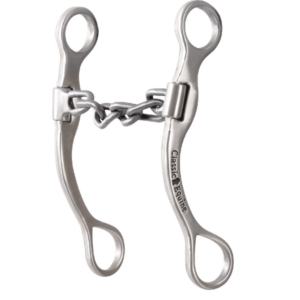
Tongue Relief Designs
Tongue relief designs aim to reduce constant tongue pressure and accommodate individual mouth anatomy. They can be helpful for horses with thicker tongues or low palates, but not every horse prefers added space.
Some horses feel more secure with consistent contact rather than relief. As with all mouthpiece choices, anatomy and response matter more than trends.
Myler Bits focus heavily on tongue relief and offer a huge selection of tongue relief bits.
Why There’s No “Best” Mouthpiece
There is no universally correct mouthpiece — only what works for a particular horse at a particular stage of training.
Factors that matter more than labels:
Mouth conformation
Tongue thickness
Palate height
Training level
Rider’s hands
A mouthpiece that creates softness for one horse may create resistance in another.
How Mouthpiece Choice Fits Into the Bigger Picture
Mouthpiece design works together with:
Direct pressure vs leverage
Bit fit
Rider timing and release
If you’re still building your framework, understanding how different bit types communicate can help put mouthpiece choices into context.
Final Thoughts: Listen to the Horse First
Mouthpieces aren’t about trends or labels — they’re about conversation. When a horse feels understood, communication gets quieter. The right mouthpiece supports that understanding rather than forcing it.
And sometimes, the simplest option is the one that makes the most sense.