January 24, 2026
How a Horse Bit Should Fit (Common Mistakes Explained)
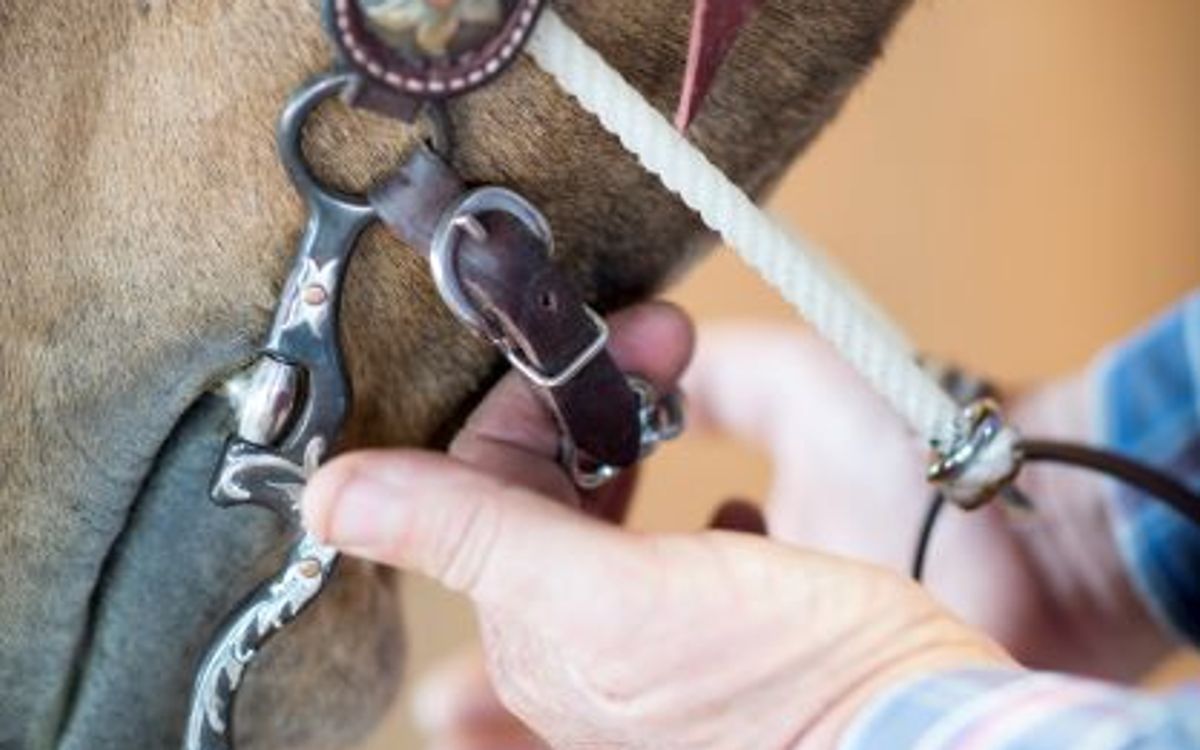
A horse can be ridden in the “right” bit and still be uncomfortable if the fit is wrong.Bit fit is o...
A horse can be ridden in the “right” bit and still be uncomfortable if the fit is wrong.Bit fit is o...
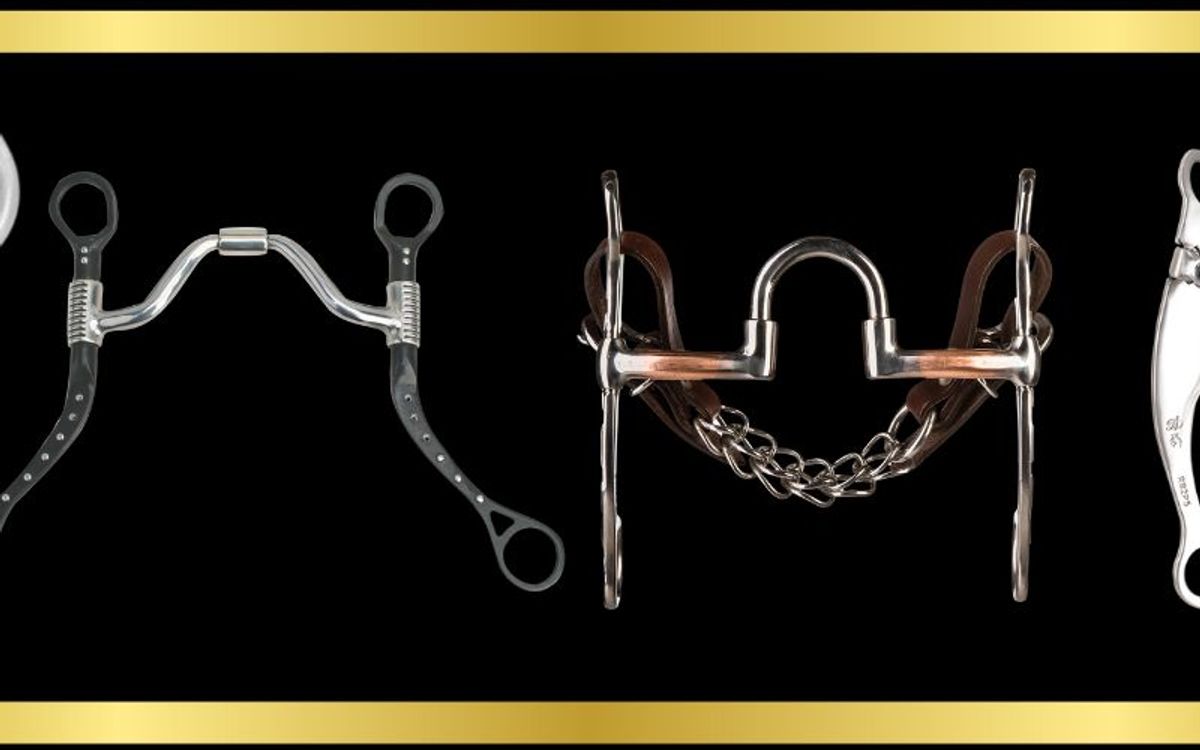
When riders talk about bits, the focus is often on rings, shanks, or how “strong” a bit looks. But f...
Choosing the right horse bit can feel overwhelming. Walk into any tack store (or scroll online) and you’re faced with hundreds of options—snaffles, curbs, ports, rollers, corrections, shanks, loose rings. Everyone has an opinion, and every trainer seems to recommend something different.
I’ve been there. I’ve owned, trained, and ridden horses for most of my life, and I still believe this: the right bit isn’t about control—it’s about communication. And finding it shouldn’t require guessing, frustration, or escalating to harsher equipment.
This guide will walk you through how to choose the right horse bit logically, thoughtfully, and with your horse’s comfort in mind.
Most riders aren’t confused because they lack experience. They’re confused because:
A bit isn’t a shortcut or a fix. It’s a tool—and like any tool, it only works when it fits the job and the individual using it.
Most guides focus only on the bit itself. That’s a mistake. The right choice depends on four key factors working together.
Every horse’s mouth is different. This matters more than brand or price.
Things to consider:
A bit that feels mild to one horse may feel overwhelming to another—purely based on anatomy.
A green horse needs clarity and forgiveness. A finished horse may need refinement.
Progression matters. More advanced doesn’t mean harsher—it means more precise.
A trail horse and a cow horse don’t need the same communication.
Ask yourself:
Your discipline helps narrow the field, but it shouldn’t override your horse’s needs.
This is the uncomfortable truth: the rider matters just as much as the bit.
The goal is clarity, not force.
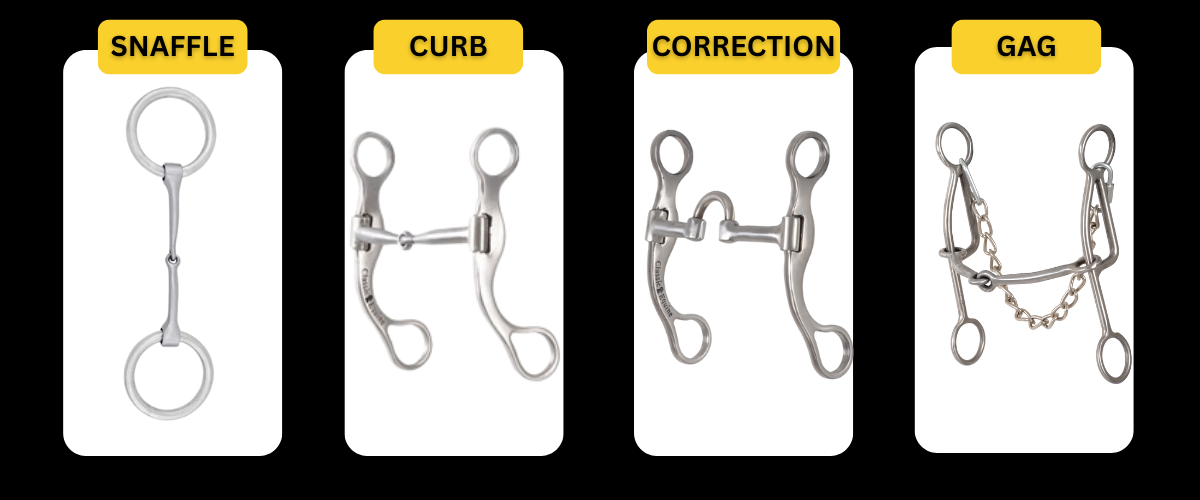
Snaffles are direct pressure bits and are often ideal for:
Green horses and riders developing feel often do best in simple, stable snaffle bits that allow clear, direct communication without unnecessary pressure. They offer simplicity and forgiveness when used correctly.
Curbs introduce leverage and signal changes. Curb bits can help refine cues and reward softness when a horse is learning and understands neck reining and light pressure.
They’re appropriate when:
Leverage doesn’t mean severe—it means amplified communication.
Used too early or incorrectly, they create tension. Used correctly, they create softness.
Gag bits are often misunderstood because they can look simple while functioning very differently than a standard snaffle or curb.
A gag bit works by lifting in the horse’s mouth before applying pressure, which can encourage a horse to elevate through the shoulders or respond more quickly to upward cues. Because of this, gag bits are most commonly used in specific situations—such as speed or performance disciplines—where riders need momentary responsiveness rather than sustained contact.
That said, gag bits are not appropriate for constant pressure or inexperienced hands. Used incorrectly, they can create confusion or anxiety instead of clarity. Like any bit, they are most effective when the horse already understands basic cues and the rider uses them with timing and release.
A gag bit isn’t inherently harsh or mild—it’s situational. The key is understanding why you’re using it and whether it truly supports better communication for your horse.
Understanding how bits apply pressure is just as important as choosing the style, which is why I break down how different bit types communicate in more detail here.
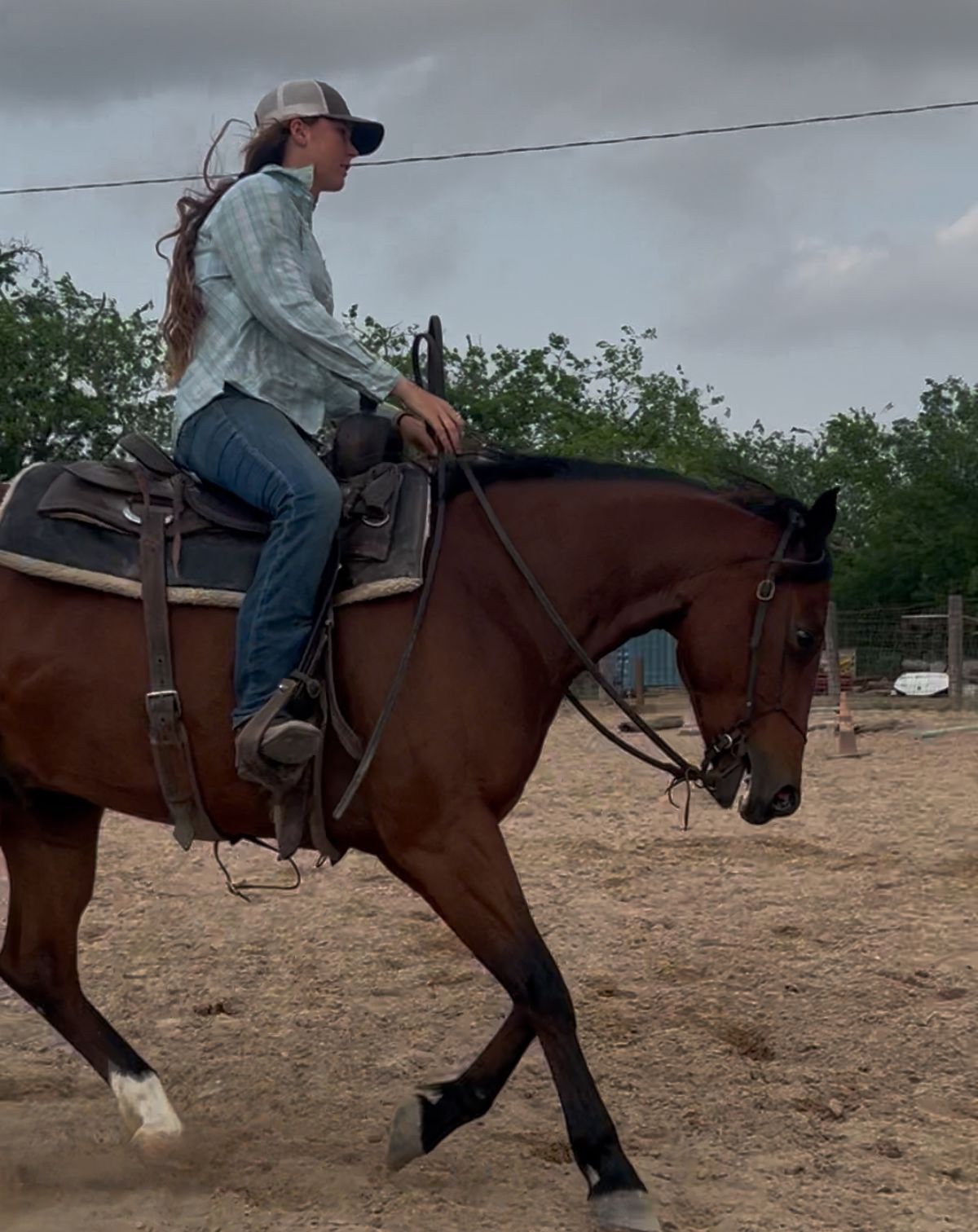
Horses communicate discomfort clearly—we just have to listen.
Common signs include:
These are not “bad behavior.” They’re feedback.
One of the biggest myths in riding is that you should “just know” the right bit.
In reality:
Choosing the right bit often takes thoughtful experimentation, which is why trying a bit before committing to it can make a meaningful difference for both horse and rider. The goal is always to find the least amount of equipment needed for the clearest communication.
Even the right bit can feel wrong if it doesn’t sit correctly, which is why understanding how a horse bit should fit is just as important as choosing the style itself.
Before choosing a bit, ask yourself:
Answering these questions narrows your options dramatically.
Also keep in mind two bits that look similar on the outside can feel completely different to a horse depending on the mouthpiece, which is why it helps to understand horse bit mouthpiece design as part of the decision process.
The right horse bit doesn’t create control.
It creates understanding.
When a bit fits your horse’s mouth, training level, and job, everything gets quieter—lighter hands, softer responses, clearer communication. And when it doesn’t, your horse will tell you.
Listen to them.