January 24, 2026
How a Horse Bit Should Fit (Common Mistakes Explained)
A horse can be ridden in the “right” bit and still be uncomfortable if the fit is wrong.Bit fit is o...
A horse can be ridden in the “right” bit and still be uncomfortable if the fit is wrong.Bit fit is o...
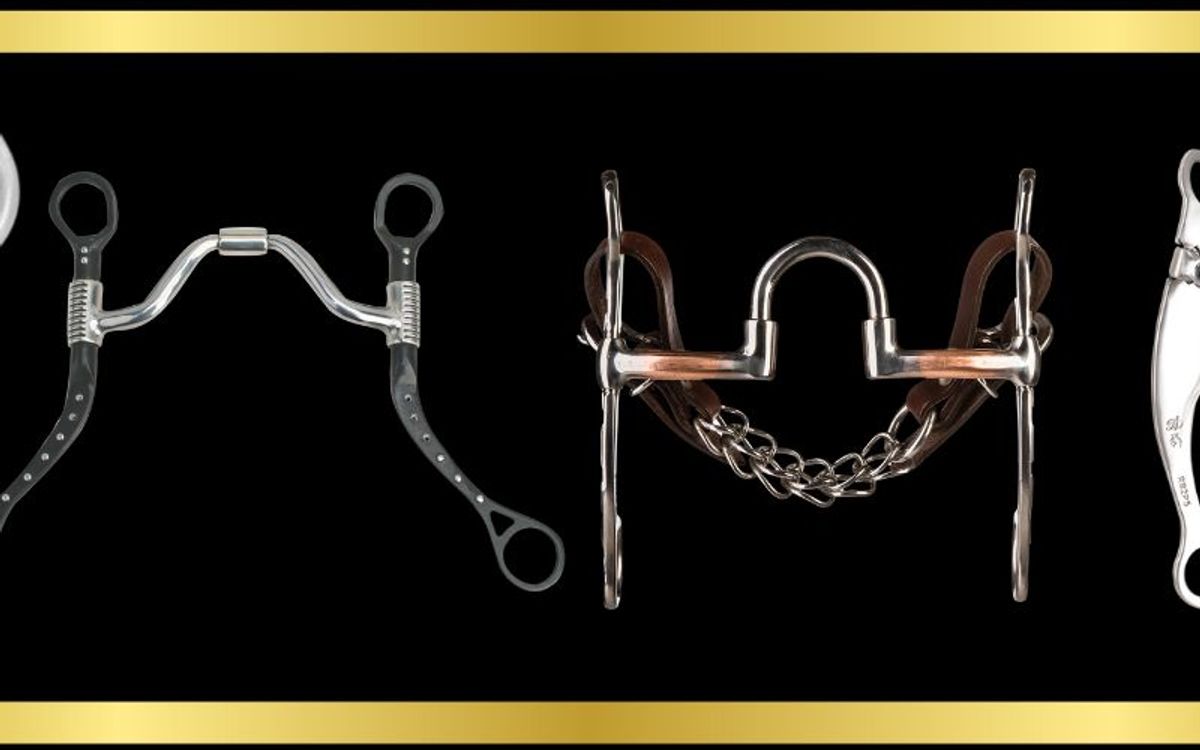
When riders talk about bits, the focus is often on rings, shanks, or how “strong” a bit looks. But f...
A horse can be ridden in the “right” bit and still be uncomfortable if the fit is wrong.
Bit fit is one of the most overlooked pieces of the puzzle, and it’s also one of the easiest to misunderstand.
Too often, signs of discomfort get blamed on training, attitude, or bit severity, when the real issue is simply that the bit doesn’t sit correctly in the horse’s mouth.
Understanding how a bit should fit — and the most common mistakes riders make — can dramatically improve communication without changing the bit at all.
Why Bit Fit Matters More Than People Realize
A properly fitted bit:
Even a mild bit can feel sharp if it’s fitted incorrectly.
And a more advanced bit can feel fair when it’s adjusted thoughtfully.
Fit doesn’t make a bit kind or harsh — but it absolutely determines how the horse experiences it.
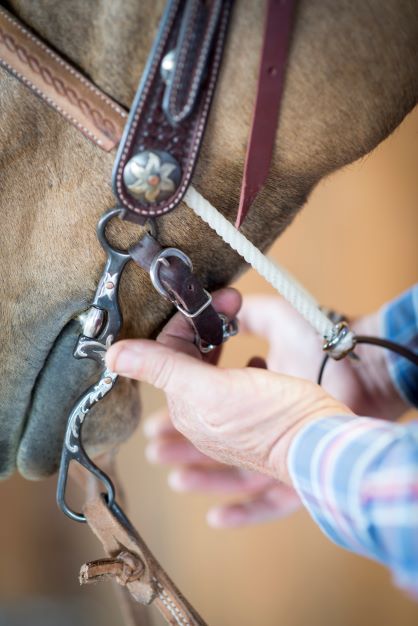
One of the most common questions riders ask is how high a bit should sit.
The short answer: high enough to be stable, low enough to be comfortable.
A bit that sits too high:
A bit that sits too low:
Most horses are comfortable when the bit sits so that it creates a soft wrinkle or none at all, depending on the horse’s mouth and the mouthpiece style.
There is no single “correct” look — the horse’s response matters more than a rule.
Bit width is another area where well-meaning advice often goes wrong.
A bit that is too narrow can:
A bit that is too wide can:
Ideally, the bit should extend just slightly past the lips without excess space on either side.
More width does not mean more comfort.
Different mouthpieces sit differently in the mouth, which means fit isn’t one-size-fits-all.
For example:
This is why understanding mouthpiece design (and not just cheekpiece style) is so important when evaluating fit.
Many fit issues show up as training problems, when they’re actually comfort problems.
A bit adjusted too high never gives the horse a chance to soften.
Signs include:
Changing mouthpieces or cheekpieces often requires changing adjustment.
A snaffle, curb, or gag-style bit will not all sit the same way — even on the same horse.
Many horses are not perfectly symmetrical.
If a bit consistently pulls to one side, rubs unevenly, or the horse resists more on one rein, fit (or dental balance) may be contributing.
Instead of focusing only on appearance, watch the horse.
Positive signs:
Red flags:
Fit issues often show up before bigger training problems do.
Horses change.
What fits well today may need adjusting six months from now. That doesn’t mean anything is “wrong” — it means the horse is changing.
This is one reason why thoughtful trial and evaluation matter more than guessing.
Bit fit doesn’t need to be complicated, but it does need to be intentional.
Before changing bits or escalating equipment, it’s always worth asking:
Does this bit actually fit the horse’s mouth the way it should?
When comfort improves, communication often does too.
And when the horse feels understood, everything else gets quieter.